Products | Low-E Glass

Low-E Glass

Products | Low-E Glass

Low-E Glass

Introduction to Low-E Glass

Low-E glass is a high-performance coated glass designed to combine ener gy efficiency with excellent light transmission. Its advanced silver coating reflects infrared radiation while allowing maximum visible light to pass through, thus delivering outstanding thermal insulation and solar control benefits.

With high transparency, extremely low visible light reflectance, and superior energy performance, Low-E glass meets the requirements of modern architecture and sustainable building design. Depending on the number of sil ver layers applied, Low-E glass can be engineered to provide enhanced thermal insulation and solar control, making it a critical material for green construction and high-performance building solutions.
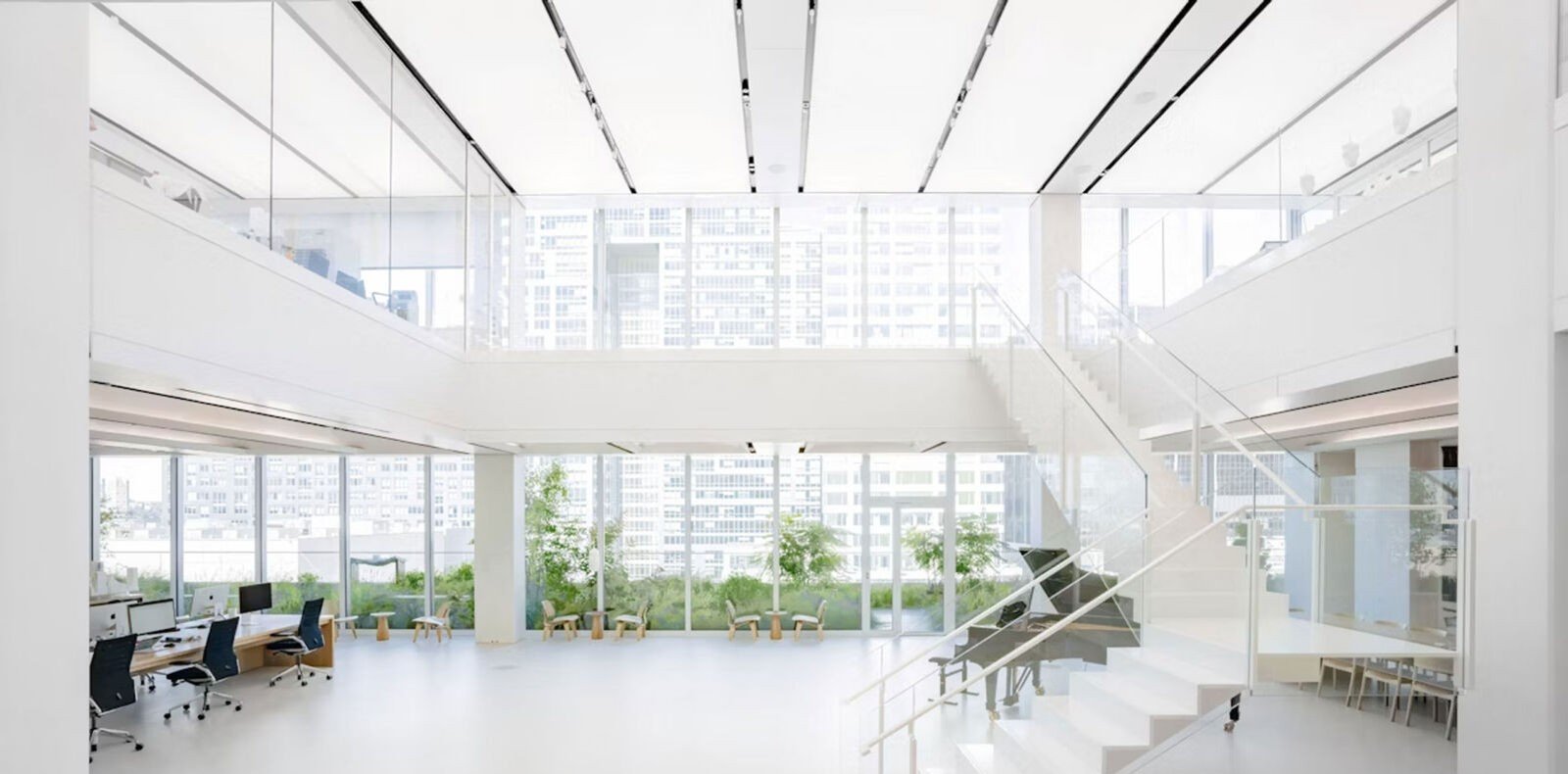
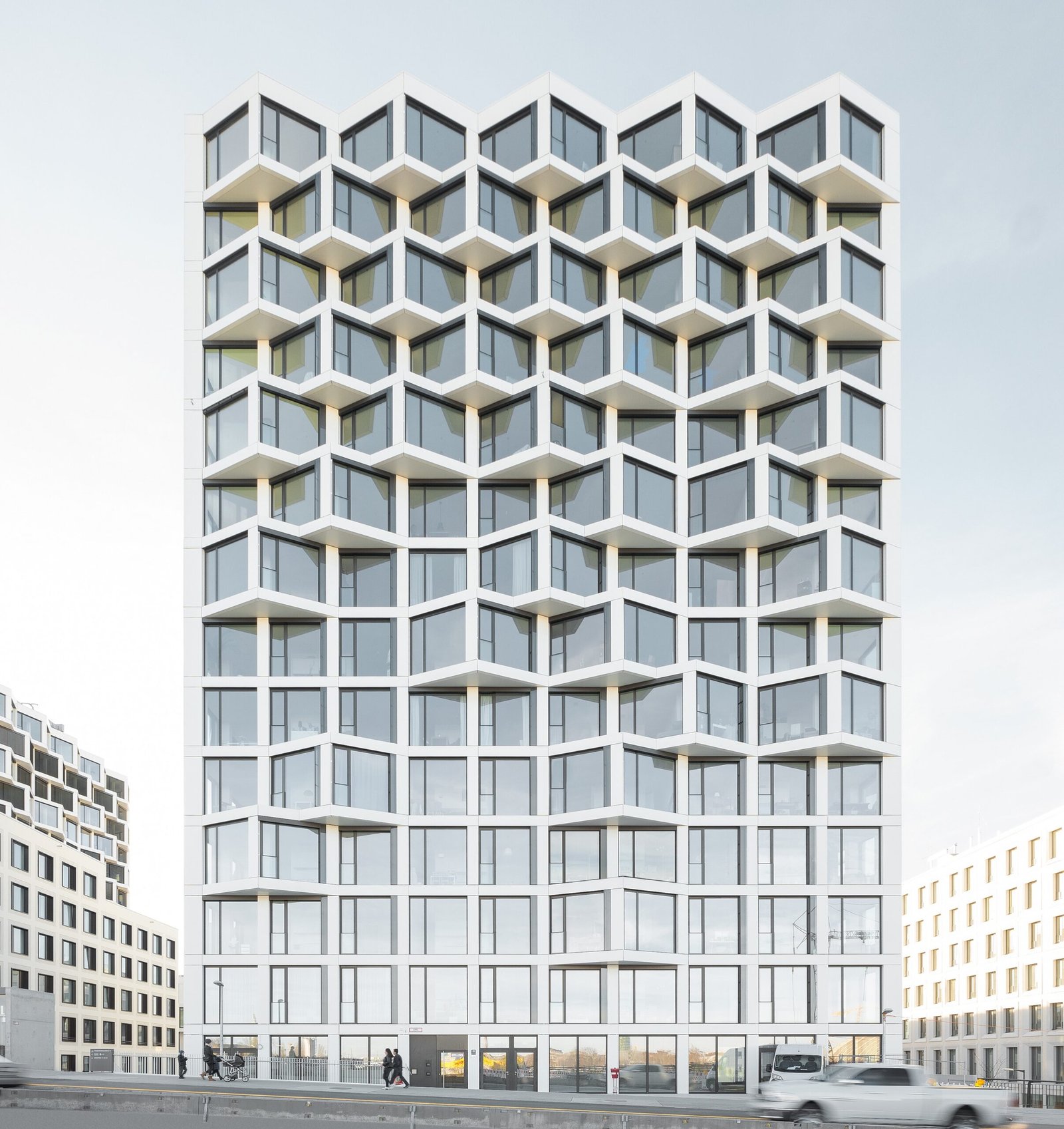
Low-E Glass

Options

Product Portfolio

Product Portfolio

  • Single Low-E Glass
  • Double Low-E Glass
  • Triple Low-E Glass
  • Online Low-E Glass
Specifications

Specifications

  • Thickness: 3 ~ 19mm
  • Max. Size: 5000mm x 3000mm
  • Min. Size: 300mm x 300mm
Features

Features

True Colors

  • Delivers the natural, authentic appearance of glass.

High Transparency

  • Excellent light transmission in the 380–780nm visible spectrum, minimizing glare from reflection.

Comfortable Daylighting

  • Allows abundant natural light with vivid colors, reducing the need for artificial lighting and saving energy.

Efficient Heat Insulation

  • Strong infrared reflection (780–2500nm), with near-total reflection of long-wave IR, blocking heat entry to keep interiors cool in summer and warm in winter.
Notes on Design and Glazing

Notes on Design and Glazing

Sealing Requirement

  • Low-E metallic oxide coatings react with air and must be sealed quickly or made into insulating glass.

Online Low-E

  • Can be used as single-pane glass.

Frame Design

  • Metal frames should have good drainage to prevent fogging or glass degradation due to water accumulation.

Laminated Glass Note

  • When used in laminated glass, Low-E coatings have higher U-values, reducing thermal insulation performance.

Coating Identification

  • Besides company markings, a simple fire test can locate the Low-E surface: ordinary glass reflects yellow flames, Low-E coated surfaces reflect pink or blue. Correct installation ensures optimal insulation.
Maintenance Guidelines

Maintenance Guidelines

Do Not Apply Films

  • Avoid sticking heat-insulating films on Low-E insulating glass to prevent thermal breakage.

High-Altitude Use

  • For projects at an altitude of 1,000 meters or more, internal pressure adjustment may be required; consult our company beforehand.